A dedication like this is rarely about the object itself. More often, it marks something specific — a parent's memory, a marriage, the day a family grew by one, a life's work finally complete. Whatever the reason, it stays yours; what changes is that it becomes permanent.
We are mortal. These are not.
A human life lasts less than a century. This dedication will outlast it by thousands of years — for some objects, longer than civilization itself has existed.
Markets fall. Homes burn. A name on a building can be renamed by whoever pays next. This one cannot be sold, seized, or taken back.
The Six Discoveries
Click any object to view its full record, provenance, and dedication details.
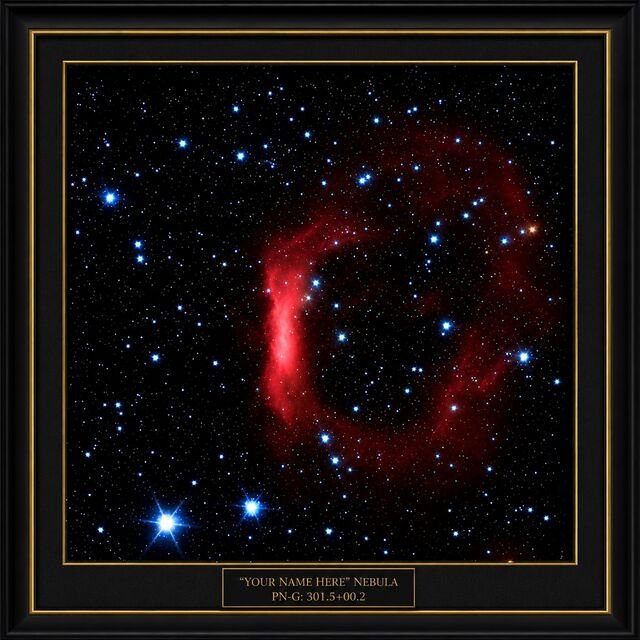
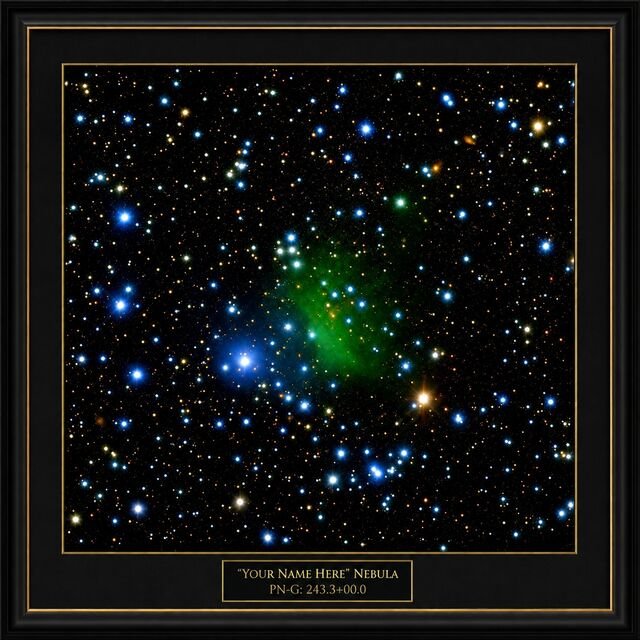
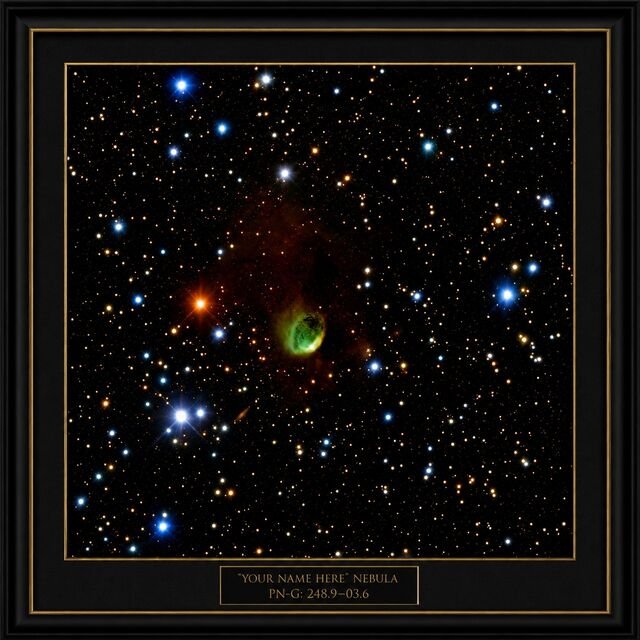
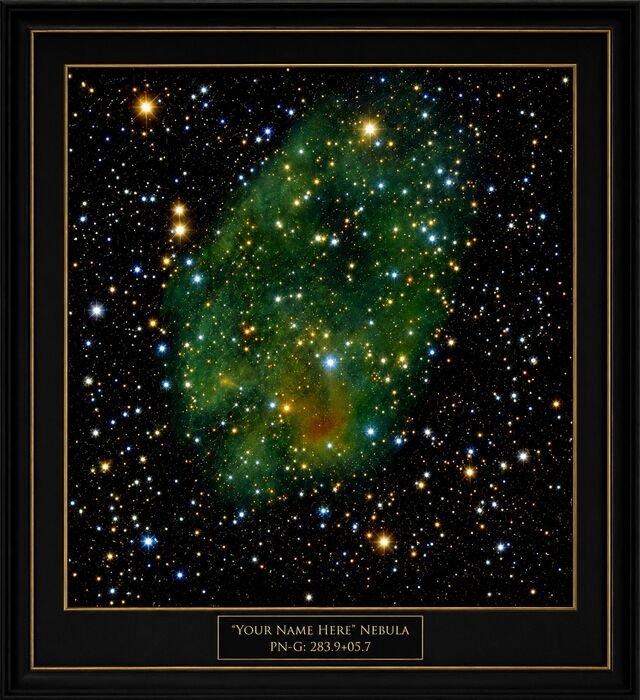
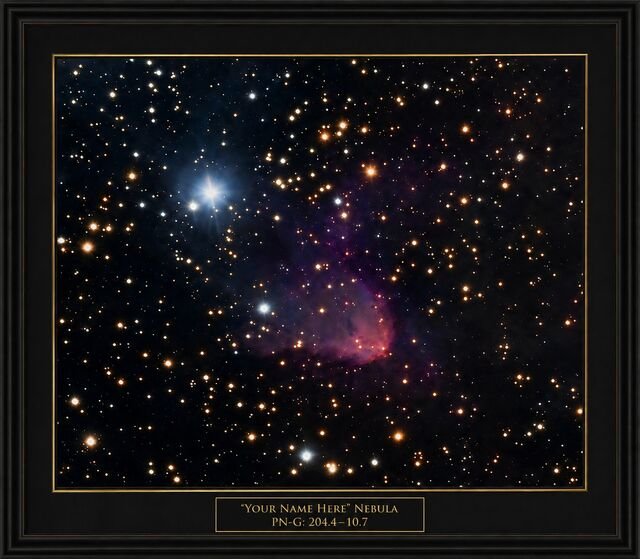
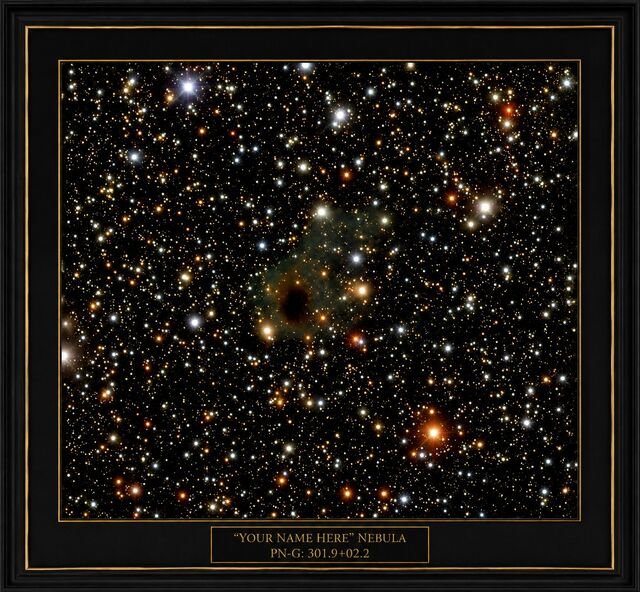
Several of these objects belong to categories so rare that only a handful are documented worldwide. Variable nebulae visibly shift in brightness over years. A cometary globule is a dense cloud sculpted by starlight into a comet-like shape — and the same radiation that shapes it wears it away within a few million years. What you are considering is not decorative. It is genuinely uncommon.
Compare All Objects
| Reference | Scientific Designation | Type | Constellation | Price | |
|---|---|---|---|---|---|
| Mo 11 | PN-G 301.5+00.2 | HII Region | Crux | $95,000+ | View & Inquire |
| Mo Object 5 | PN-G 243.3+00.0 | Reflection Nebula | Canis Major | $105,000+ | View & Inquire |
| Mo 17 | PN-G 248.9−03.6 | Variable Nebula | Canis Major | $150,000+ | View & Inquire |
| Mo 27 | PN-G 283.9+05.7 | HII Region | Vela | $100,000+ | View & Inquire |
| Mo 4 | PN-G 204.4−10.7 | Cometary Globule | Orion | $130,000+ | View & Inquire |
| Mo Object 4 | PN-G 301.9+02.2 | Dark Nebula | Crux | $115,000+ | View & Inquire |
Amateur Astronomers Have Been Expanding
Our View of the Universe for Decades
Many remarkable nebulae have been discovered not only by professional observatories, but also by dedicated amateur astronomers and independent researchers who gave an informal name to their find by analyzing astronomical survey data.
| Informal Name | Scientific Designation | Discoverer |
|---|---|---|
| Soap Bubble Nebula | PN G75.5+1.7 | Dave Jurasevich |
| Soccer Ball Nebula | PN G070.5+11.0 | Matthias Kronberger |
| Titan Nebula | PN-G 140.4-21.2 | Dana Patchick, Xavier Strottner & Marcel Drechsler |
Two Honest Questions, Answered Upfront
Scientific Designation/Formal name → Permanent catalog designation
Nickname/Informal name → Popular identity
The Dedication
You may dedicate the object under your own name, or in honor of someone else — a parent, a partner, a mentor — whatever the occasion calls for.
- A private conversation with the discoverer, at the moment your dedication is confirmed
- Framed Astronomical Image of the nebula, produced from original observation and processing
- A custom nameplate, engraved with your chosen dedication name
- An astronomical data card — coordinates, survey cross-matches, and discovery notes
- A customized leather-folder
- A signed letter of authenticity from the discoverer
Everything here is confidential — recorded only in the discoverer's private ledger, and never published unless you choose to share it.
"No human hand shaped this. The universe painted it first."
Humanity's gaze has always turned upward. As our reach extends further into space, so too will the meaning of a name written among the stars.