About the Discoverer
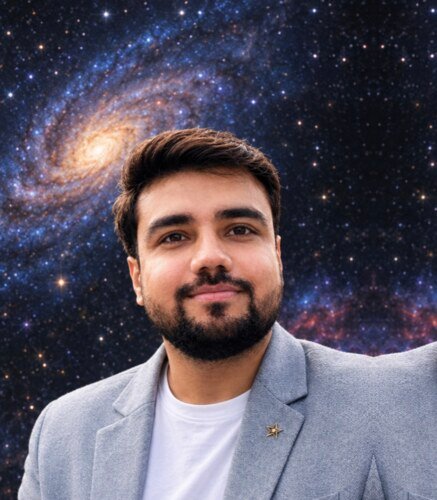
My name is Sankalp Mohan, and I am a nebula hunter based in Lucknow, India.
For nearly a decade, I have dedicated my work to the patient and methodical search for previously uncatalogued or overlooked nebulae by studying publicly available astronomical survey data. My process involves carefully comparing observations from NASA's Spitzer Space Telescope, Pan-STARRS, DECaPS, WISE, and other astronomical archives to identify celestial objects that have escaped previous cataloguing.
Astronomical discovery is rarely the work of a single individual. Throughout this journey, I have corresponded and collaborated with both amateur and professional astronomers from around the world during the verification, discussion, and publication of my discoveries. Every candidate object is examined across multiple sky surveys before being submitted for independent review and, where appropriate, publication.
Since 2017, I have independently identified planetary nebulae, cometary globules, reflection nebulae, and related objects. Several of these discoveries have been published in L'Astronomie, one of France's long-established astronomy magazines. My early work began through citizen-science platforms — including NASA's Sungrazer comet-hunting project and Zooniverse, where I contributed to the discovery of exoplanet-hosting stars and a supernova — before I began searching survey data specifically for uncatalogued nebulae. Objects from the Mo catalogue are also listed in HASH PN, the professionally maintained H-alpha Planetary Nebula database jointly run by the University of Hong Kong, the Australian Astronomical Observatory, and Strasbourg Observatory — access to individual records requires researcher registration. The objects presented through this collection can be independently verified through published records and listings on planetarynebulae.net.
One of the aspects of astronomy that has always inspired me is the important role played by the amateur astronomy community. Throughout history—and continuing today—dedicated amateur astronomers have made meaningful contributions to astronomical discovery. Knowing that careful observation and persistence can still reveal something previously unnoticed has been the driving force behind my own work.
"Astronomy offers a unique way to connect people with something that will endure far beyond our own lifetime."
I created Name a Nebula because I believe astronomy offers a unique way to connect people with something that will endure far beyond our own lifetime. Throughout history, people have named mountains, ships, and buildings after those they wished to honour or remember. Astronomy has its own long tradition of discovery and naming. This project offers a transparent and respectful way for individuals to create a personal association with genuine celestial discoveries while preserving their scientific identity.
Every dedication offered through this collection is entirely symbolic. The official astronomical designation assigned to each object remains unchanged, as is the case for all recognised astronomical discoveries. Your dedication is a personal act of commemoration, presented with complete transparency and accompanied by detailed scientific documentation and provenance.
This work is entirely self-funded and independent. Each dedication directly supports the equipment, observing time, and continued search that make discoveries like these possible — allowing me to keep looking for what hasn't yet been found.
If you have any questions about my work, my discovery process, or any object within this collection, I welcome your enquiry personally.
Documented Discoveries & Recognition
A selection of publicly documented work. Object classifications shown reflect candidate status at time of publication, as is standard practice for amateur-discovered objects pending further confirmation.
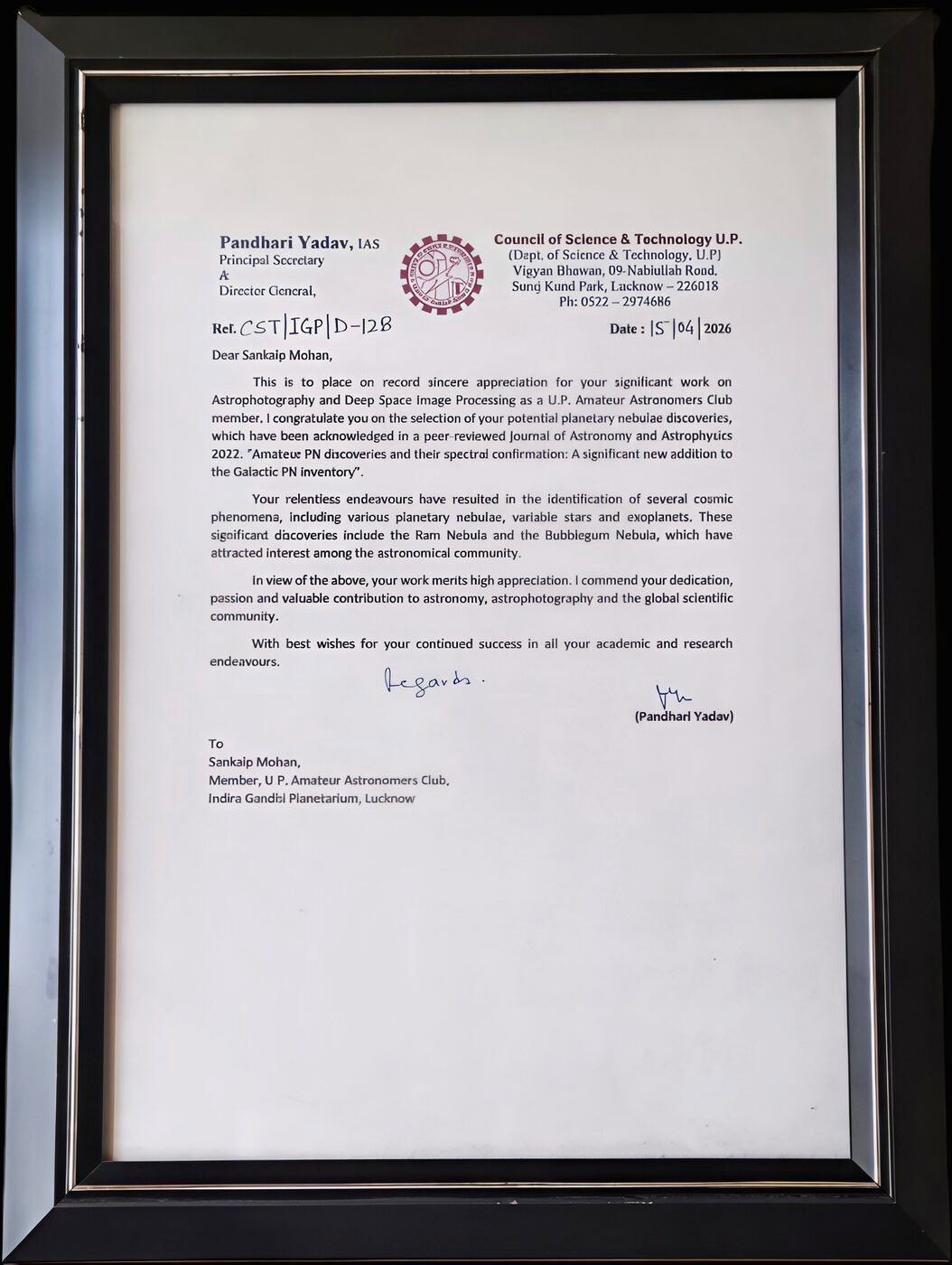
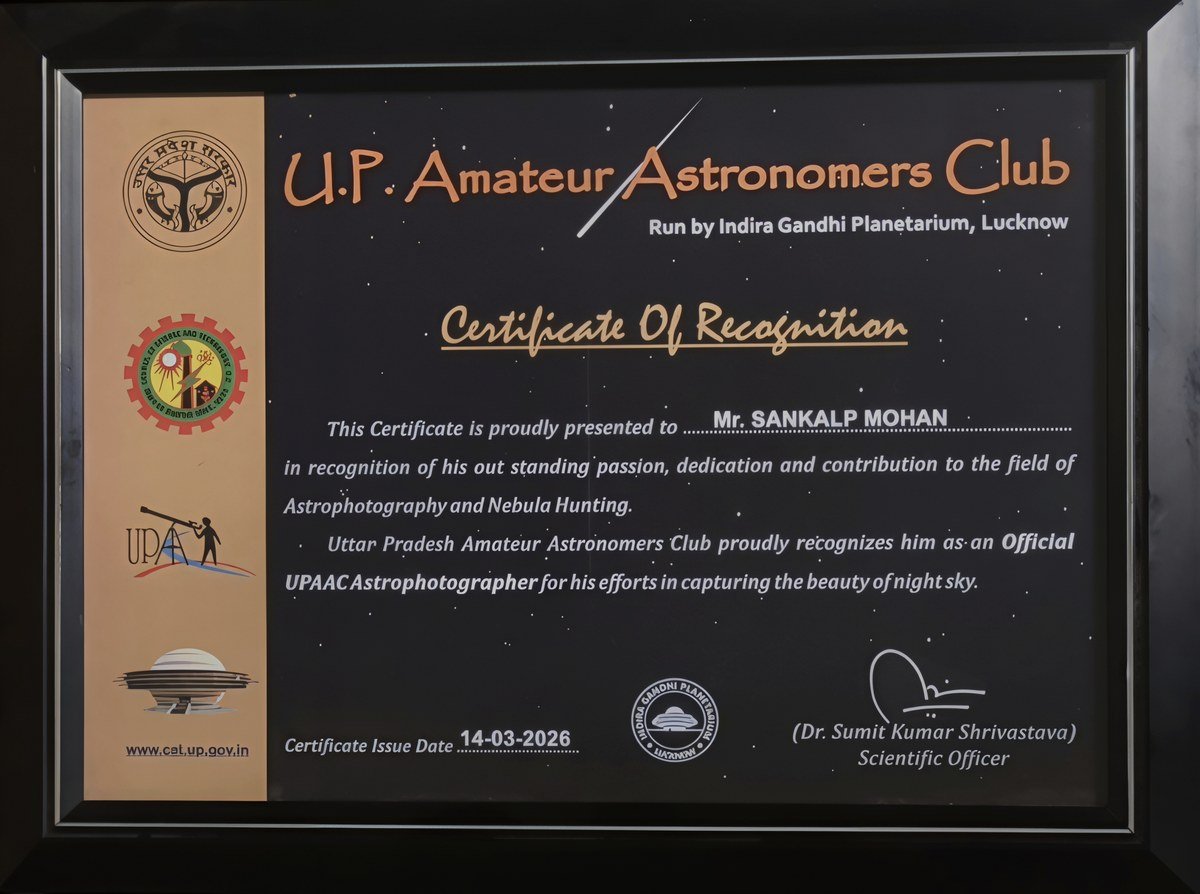
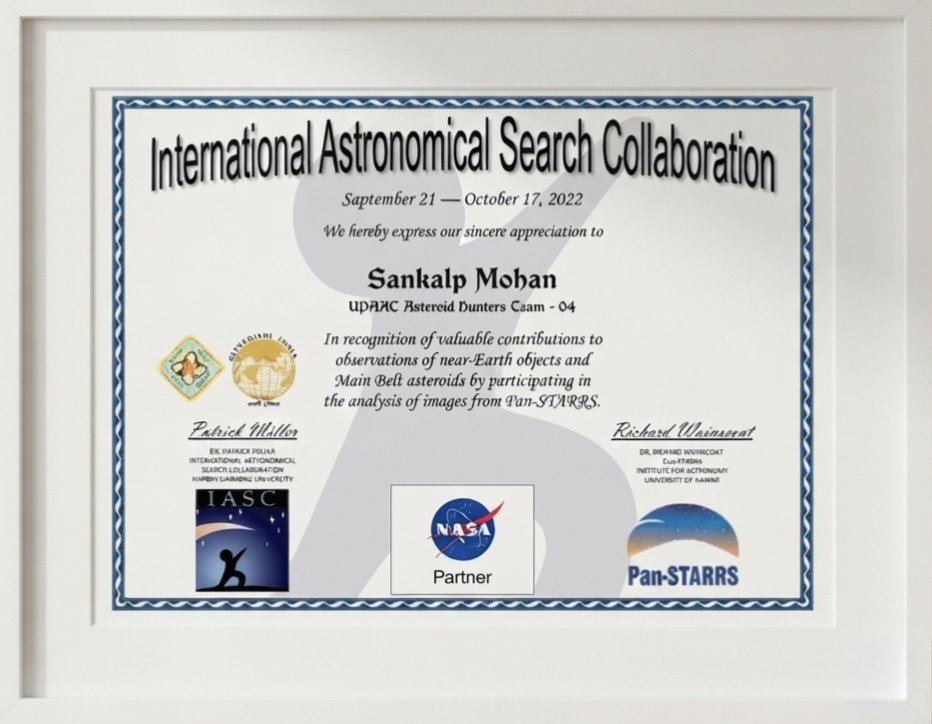
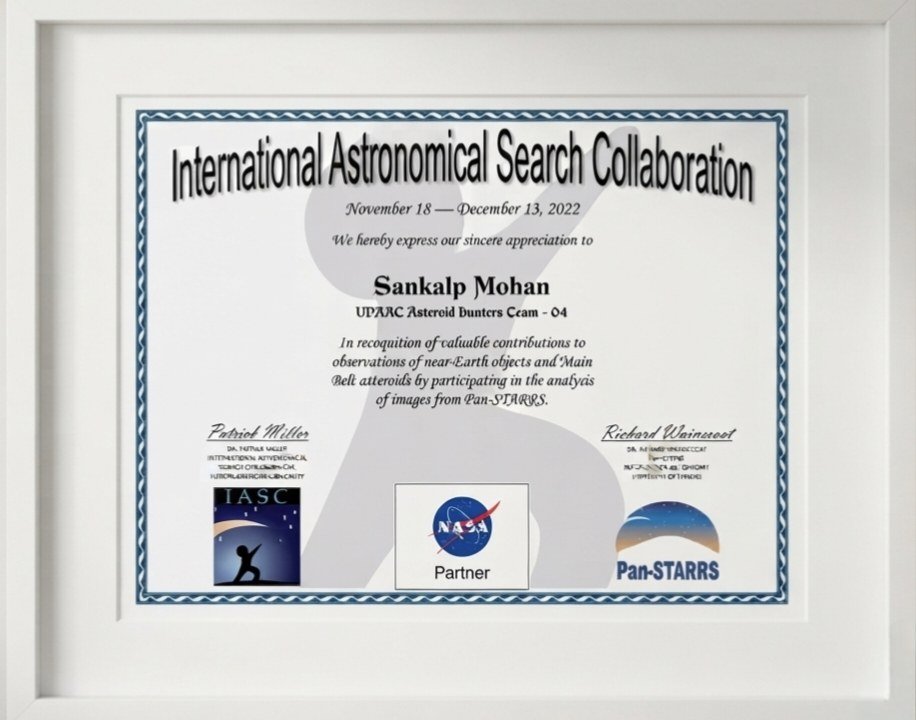
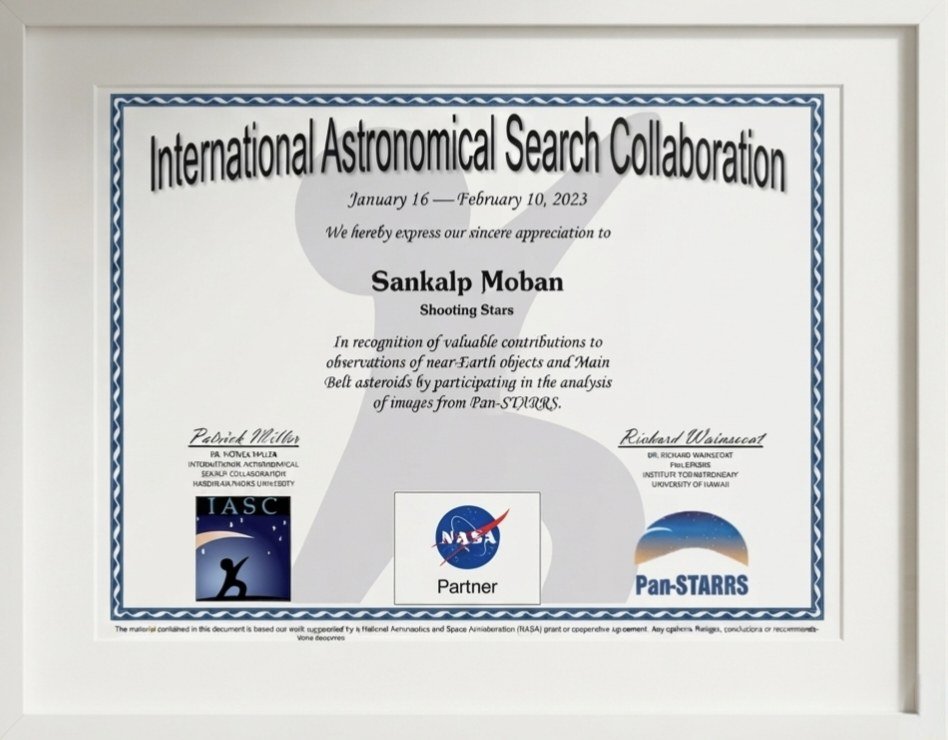
Awards & Honors
Formal recognition received for this work, from government science bodies and NASA-partnered research collaborations.